
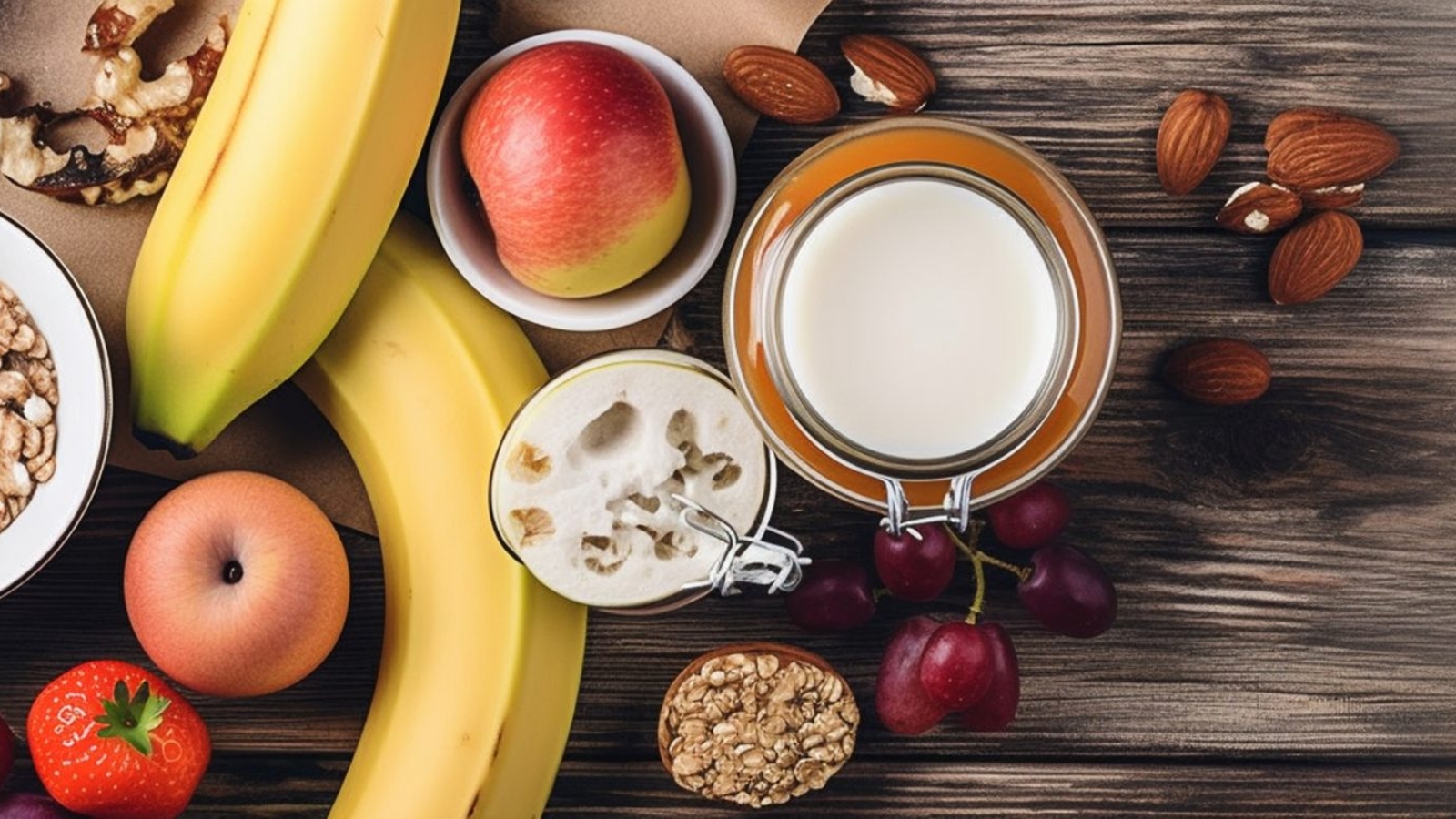
Potassium is one of the body's essential minerals, playing an important role in maintaining healthy blood pressure, supporting muscle contractions, transmitting nerve signals, and preserving bone health. Getting enough of this nutrient through everyday meals is an important part of maintaining overall well-being. According to the National Institutes of Health (NIH), the recommended daily intake for adults ranges from 2,600 to 3,400 mg, depending on age and sex.
Bananas are often considered the ultimate potassium-rich food, but they are far from the only option. In fact, many vegetables, legumes, fruits, and dairy products contain considerably more potassium per serving. Expanding your food choices can make it easier to meet your nutritional needs while introducing new flavors and textures to your meals.
Here are 17 nutritious alternatives worth adding to your shopping list.
1. Beet Greens
Often overlooked in favor of their colorful roots, beet greens are among the most concentrated plant-based sources of potassium. Their tender leaves have a slightly earthy flavor and work particularly well in soups, stews, and sautéed vegetable dishes. Instead of throwing them away, try chopping them finely and incorporating them into your favorite recipes.
2. Adzuki Beans
These small, reddish beans are popular in many Asian cuisines and offer much more than their distinctive flavor. Adzuki beans provide potassium, plant-based protein, fiber, and beneficial antioxidants. Their naturally mild, slightly sweet taste makes them suitable for both savory meals and traditional desserts.
3. Swiss Chard
With colorful stems and broad green leaves, Swiss chard brings both nutritional value and visual appeal to the dinner table. It is a versatile leafy vegetable that can be sautéed with garlic, added to vegetable soups, or served as a side dish. Its stems can also be prepared separately for a different texture.
4. Yams
True yams are starchy root vegetables commonly enjoyed in African, Asian, and Caribbean cuisines. Although they are sometimes confused with sweet potatoes, they are botanically different and often have a denser texture. Their potassium content makes them a valuable addition to balanced meals, whether baked, boiled, or mashed.
5. Acorn Squash
Recognizable by its dark green skin and sweet orange flesh, acorn squash is a flavorful way to increase potassium intake. Its naturally mild sweetness becomes especially pronounced when roasted. It also pairs beautifully with herbs, spices, grains, and other seasonal vegetables.
6. Spinach
Spinach is a familiar leafy green with an impressive nutritional profile. In addition to potassium, it provides fiber, iron, calcium, vitamin C, and other essential nutrients. Its versatility makes it easy to incorporate into everyday meals, including omelets, pasta, soups, salads, and smoothies. Cooked spinach is particularly concentrated in nutrients per cup.
7. Jackfruit
Jackfruit is a tropical fruit known for its unusual texture and culinary versatility. When unripe, its mild flavor and fibrous consistency make it a popular ingredient in plant-based savory dishes. Ripe jackfruit, meanwhile, offers a sweeter taste that works well in desserts and fruit-based recipes. Its edible seeds provide additional culinary possibilities.
8. Water Chestnuts
Water chestnuts are valued for their crisp texture, mild sweetness, and ability to retain their crunch even after cooking. Commonly used in Asian-inspired dishes, they add an interesting contrast to stir-fries, salads, noodle bowls, and vegetable combinations. They also contribute potassium to an otherwise simple meal.
9. Guava
This tropical fruit combines a fragrant aroma with a distinctive sweet-and-tangy flavor. Guava is especially well known for its vitamin C content, while also supplying fiber and potassium. Its colorful flesh makes it an appealing addition to fruit salads, smoothies, and refreshing snacks.
10. Plantains
Although closely related to bananas, plantains are generally larger, starchier, and commonly prepared as a cooked ingredient rather than eaten raw. Their flavor and texture change as they ripen, creating opportunities for different recipes. They can be baked, boiled, grilled, or pan-cooked and served alongside savory dishes.
11. Taro Root
Taro is a versatile tropical root vegetable used in cuisines around the world. Its starchy consistency and subtly sweet flavor make it suitable for soups, steamed dishes, baked goods, and other preparations. It is also used in certain snacks and desserts. Taro must always be thoroughly cooked before consumption.
12. Nonfat and Low-Fat Yogurt
Yogurt offers a convenient way to add potassium to breakfast or snack time. Plain varieties can also provide protein and calcium, making them a useful component of a balanced diet. Enjoy yogurt with fresh fruit, nuts, seeds, or whole-grain toppings, or use it as a base for smoothies and homemade sauces.
13. Butternut Squash
With its naturally sweet flavor and smooth texture, butternut squash is a popular ingredient in seasonal cooking. It supplies potassium and fiber while offering plenty of versatility in the kitchen. Roasting brings out its sweetness, while blending it into soups creates a naturally creamy consistency.
14. Parsnips
Resembling pale carrots, parsnips have a naturally sweet, slightly nutty flavor that becomes more pronounced when cooked. They are an excellent option for adding variety to vegetable-based meals. Try roasting them with olive oil and herbs, incorporating them into soups, or mashing them as an alternative to traditional side dishes.
15. Sweet Potatoes
Sweet potatoes combine a naturally sweet taste with an impressive range of nutrients, including potassium, fiber, and beta-carotene, which the body can convert into vitamin A. Their versatility makes them easy to enjoy throughout the year. They can be baked, roasted, mashed, or incorporated into both savory and sweet recipes.
16. Kiwi
Small in size but rich in nutrients, kiwi offers a refreshing combination of sweetness and tanginess. It is particularly valued for its vitamin C content and also provides fiber and potassium. Add sliced kiwi to breakfast bowls, fruit salads, or smoothies for a bright and flavorful nutritional boost.
17. Cantaloupe
Cantaloupe is a refreshing fruit with juicy orange flesh, a delicate sweetness, and a naturally high water content. Along with potassium, it provides vitamins and other nutrients that contribute to a balanced diet. Enjoy it on its own, combine it with other fresh fruits, or add it to a light breakfast.
Making Potassium a Natural Part of Your Diet
Getting enough potassium does not require relying on a single food or making dramatic changes to your eating habits. A varied diet that includes leafy greens, beans, root vegetables, fruits, and dairy products can provide multiple opportunities to meet your daily nutritional needs.
Small adjustments can make a meaningful difference. Add cooked spinach to breakfast, experiment with different beans at lunch, choose roasted squash as a dinner side, or include guava and kiwi in your afternoon snack.
It is also worth remembering that individual potassium requirements can vary. People with kidney disease or those taking certain medications may need to monitor their potassium intake and follow guidance from a healthcare professional.
Ultimately, bananas can remain part of a healthy diet, but they do not have to be the only source of potassium on your plate. Exploring a wider selection of nutrient-rich foods is a simple way to bring more variety, flavor, and nutritional value to everyday meals.