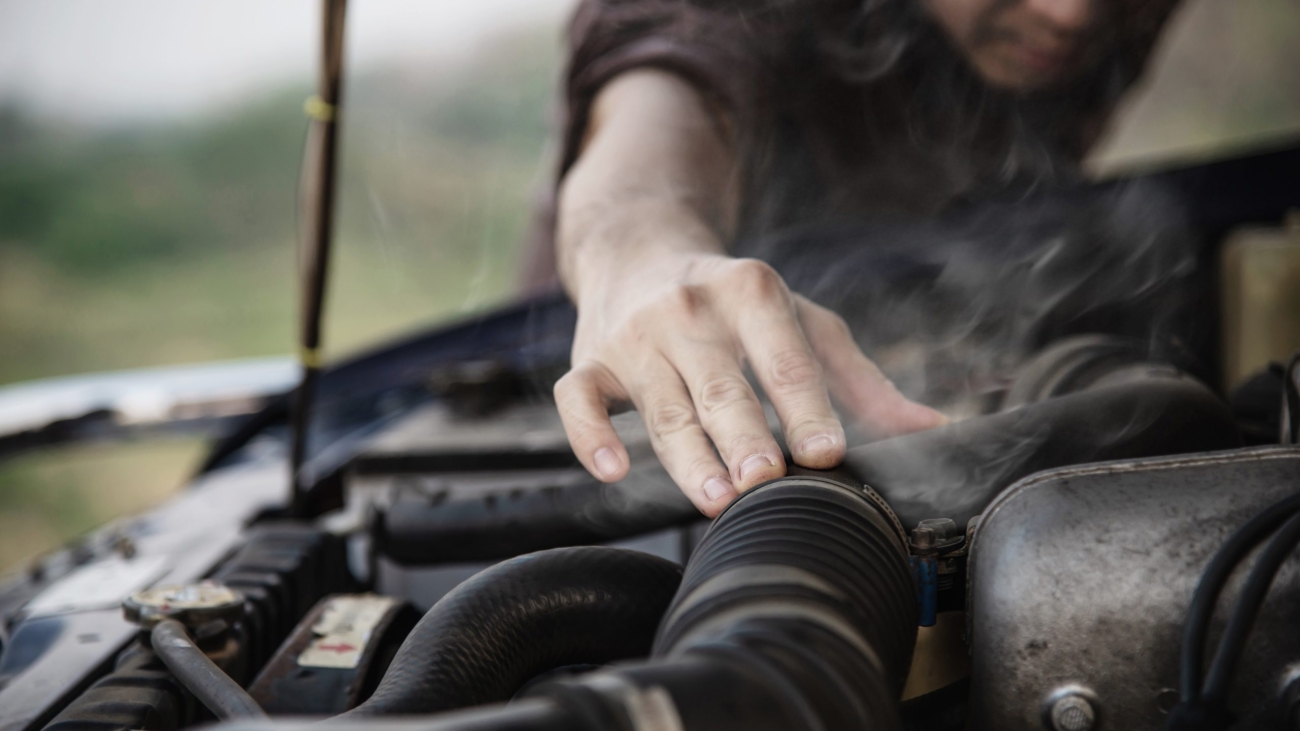
When your vehicle moves beyond its original manufacturer warranty, typically lasting three to five years, keeping it in good condition without draining your savings becomes increasingly important. Regular maintenance, smart driving habits, and careful repair decisions can help reduce ownership costs and extend your vehicle’s lifespan.
Why Car Maintenance Matters More Than Ever
Taking care of your vehicle isn’t just about keeping it running smoothly. It’s also about preventing expensive repairs, improving fuel efficiency, and getting the most value out of your investment. With both new and used vehicles becoming increasingly expensive, maintaining your current car can often be a more affordable option than replacing it.
Understanding where to save money and when to invest in professional maintenance can make a significant difference in your overall automotive expenses.
5 Ways to Reduce Car Maintenance Costs
1. Keep Up with Basic Maintenance
Routine services such as oil changes, tire rotations, and fluid checks help prevent minor issues from developing into expensive problems. Ignoring these basic requirements can lead to premature wear and costly repairs.
Compare prices from local automotive service providers before booking routine maintenance. Requesting estimates for parts and labor can help you understand the expected costs and avoid unnecessary expenses.
DIY Tip: Invest in an inexpensive tire pressure gauge and check your tires regularly. Proper inflation can improve fuel efficiency and reduce uneven tire wear. You can also learn how to check engine oil, coolant, and windshield washer fluid levels yourself. For more complicated tasks, consult a qualified mechanic.
2. Improve Your Fuel Efficiency
Fuel expenses can quickly add up, especially for drivers who commute regularly. However, small changes in driving habits and vehicle maintenance can help you get more miles from every gallon.
Drive Smoothly: Avoid aggressive acceleration, sudden braking, and unnecessary idling. Maintaining a steady speed and anticipating traffic conditions can improve fuel economy.
Other helpful habits include:
-
Keeping tires properly inflated.
-
Removing unnecessary weight from the vehicle.
-
Replacing dirty air filters when needed.
-
Following the recommended maintenance schedule.
3. Compare Prices for Parts and Repairs
Replacement parts and automotive labor can represent a significant portion of vehicle ownership costs. Prices may vary considerably between repair shops, making it worthwhile to compare several estimates before committing to a service.
Consider the following strategies:
-
Request Multiple Quotes: Compare labor rates, parts costs, and estimated completion times from different local repair shops.
-
Explore Aftermarket Parts: Quality aftermarket components can sometimes offer a more affordable alternative to original equipment manufacturer (OEM) parts. Check compatibility, warranties, and quality standards before purchasing.
-
Ask for a Detailed Estimate: Make sure the quote separates parts, labor, and additional fees so you can understand exactly what you’re paying for.
Choosing the cheapest option isn’t always the best decision. Reliable workmanship and suitable replacement parts can help prevent repeated repairs.
4. Extend Your Vehicle’s Lifespan
Replacing a vehicle can be expensive, so keeping your current car in good condition may be a practical financial decision.
Preventive maintenance is one of the most effective ways to avoid major mechanical problems. Address unusual noises, fluid leaks, warning lights, and changes in vehicle performance as soon as possible. A relatively inexpensive repair today may prevent more extensive damage later.
You can also maintain your vehicle’s appearance with simple upgrades and regular cleaning. Seat covers, floor mats, and occasional exterior detailing can help protect interior and exterior surfaces from everyday wear.
5. Use Technology and Automotive Resources
Digital tools can make vehicle maintenance easier to organize and manage. Online service platforms allow drivers to compare repair estimates, explore local mechanics, read customer reviews, and schedule appointments.
Other useful resources include:
-
Maintenance Tracking Apps: Keep records of oil changes, tire rotations, repairs, and upcoming service requirements.
-
Online Automotive Communities: Forums and communities can provide practical maintenance advice and help drivers understand common vehicle problems.
-
Recall Databases: Check official vehicle recall resources, such as the National Highway Traffic Safety Administration (NHTSA), to see whether your car has outstanding safety recalls. Eligible recall repairs are generally provided at no cost by the manufacturer.
-
Digital Service Records: Maintain receipts and repair documentation to monitor expenses and establish a clear maintenance history.
A Budget-Friendly Annual Car Maintenance Plan
Planning routine maintenance throughout the year can make automotive expenses more predictable.
| Frequency |
Recommended Tasks |
| Monthly |
Check tire pressure, fluid levels, lights, and visible tire condition. |
| Twice a Year |
Review oil change requirements, inspect air filters, and rotate tires when recommended. |
| Annually |
Arrange brake inspections, battery testing, wheel alignment checks, and a general vehicle inspection as needed. |
Actual maintenance costs depend on the vehicle’s age, model, mileage, condition, location, and service requirements. Following the manufacturer’s maintenance schedule and addressing problems early can help avoid unnecessary spending.
Final Thoughts
Keeping a vehicle reliable doesn’t have to mean spending a fortune. Regular inspections, responsible driving, price comparisons, and preventive maintenance can help reduce long-term ownership costs.
By understanding your vehicle’s needs and making informed repair decisions, you can protect your investment, improve everyday driving efficiency, and keep your car on the road for years to come.