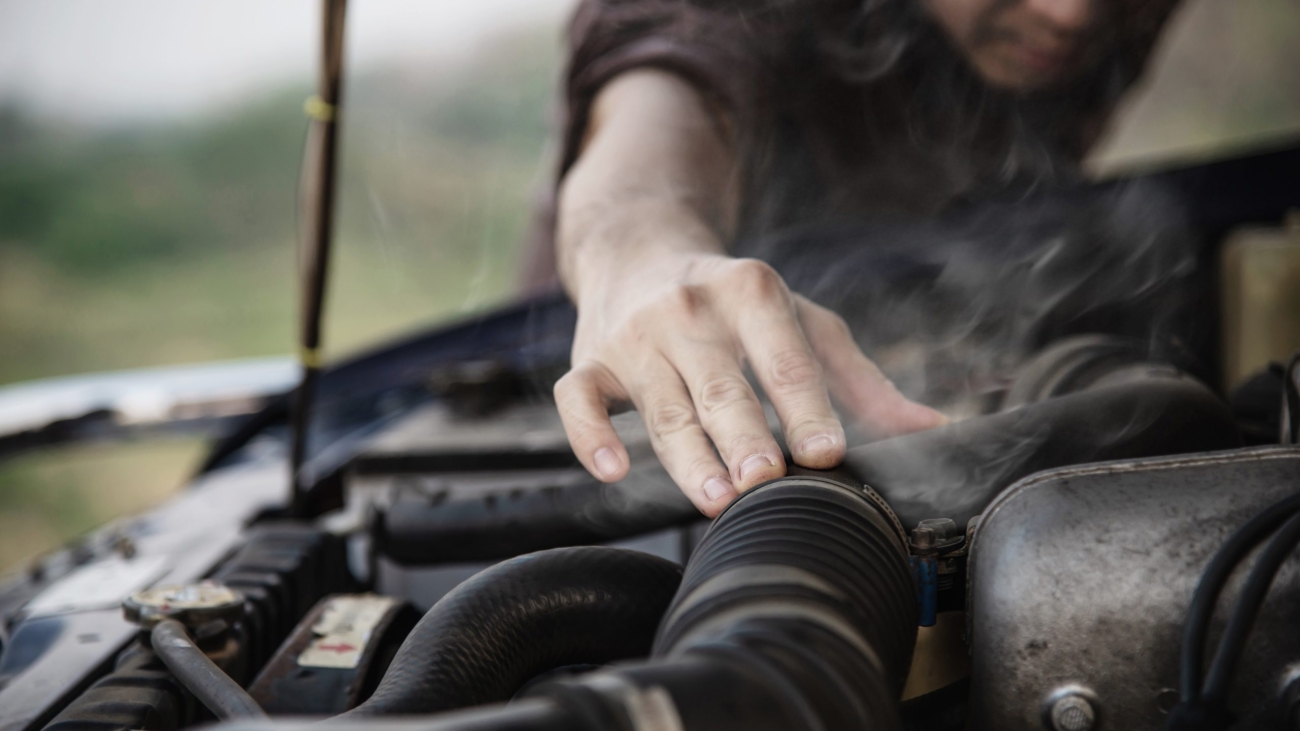
5 Engine Noises You Should Never Ignore

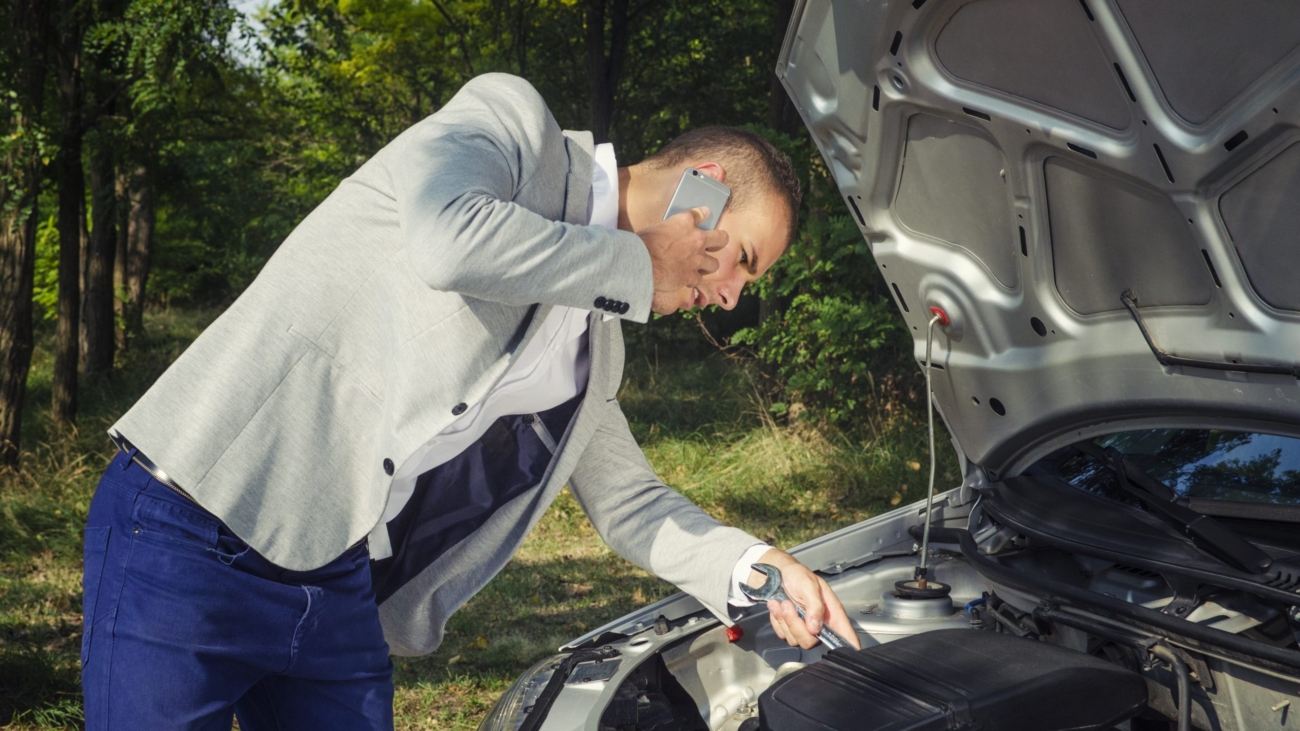
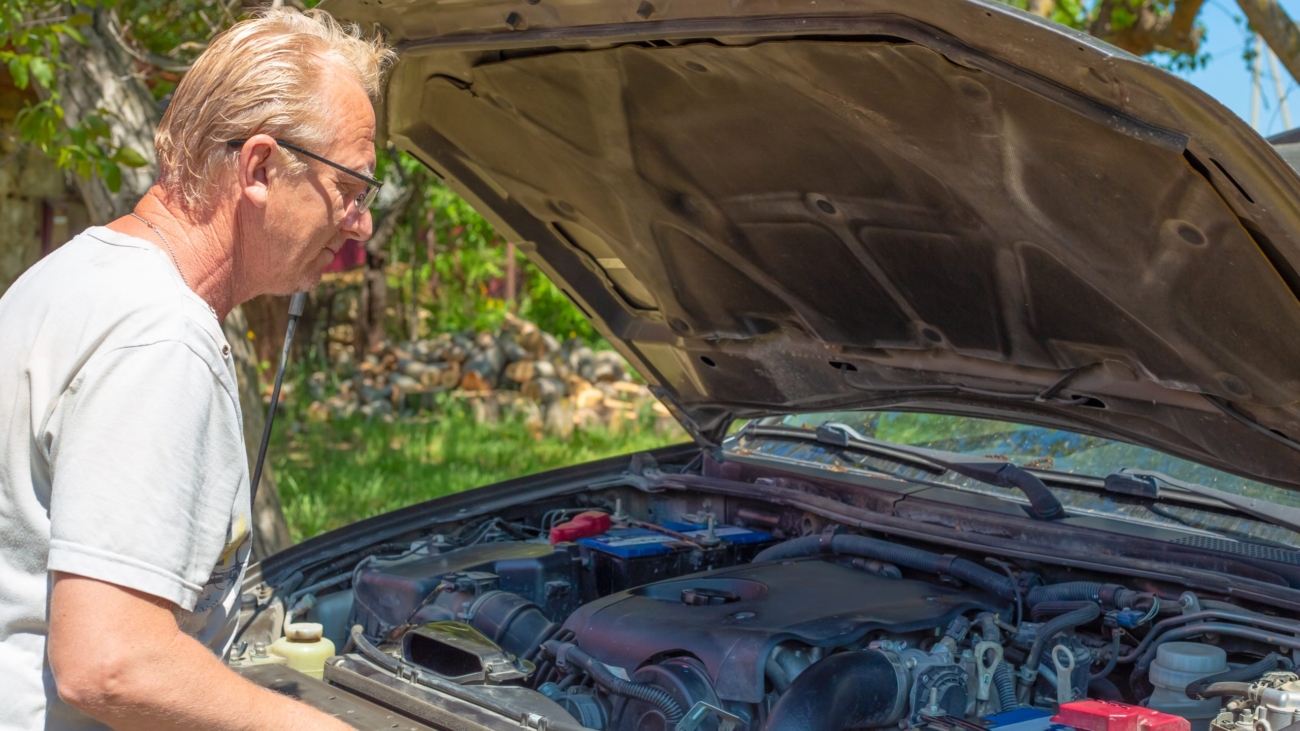
Engine noises US drivers experience should never be ignored, as they are often early warning signs of serious mechanical issues. Whether it’s knocking, squealing, grinding, or rattling, these sounds can indicate problems that need immediate attention.

For US drivers, ignoring these warning signs can quickly lead to costly repairs or unexpected breakdowns. The key is to recognize these noises early and take action before the damage worsens.

In this guide, we break down 5 engine noises US drivers should never ignore and explain exactly what to do when you hear them.

🔧 1. Knocking or Pinging Sounds

What It Sounds Like

A consistent tapping or knocking noise, especially when accelerating.

What It Means

This type of engine noise is commonly caused by:

Inefficient fuel combustion
Worn spark plugs
Low engine oil levels

If ignored, it can severely damage pistons and internal engine components.

👉 What to Do:
Check your engine oil immediately and schedule a professional inspection.

🔧 2. Squealing Noise Under the Hood

What It Sounds Like

A high-pitched squealing noise when starting the engine or turning the steering wheel.

What It Means

This usually indicates:

A loose serpentine belt
A worn-out timing belt

If the belt fails, your vehicle may stop running instantly.

👉 What to Do:
Replace worn belts promptly to avoid sudden breakdowns.

🔧 3. Grinding Noise When Starting

What It Sounds Like

A harsh grinding or metal-on-metal sound during ignition.

What It Means

This could be a sign of:

A failing starter motor
Damaged flywheel teeth

Delaying repairs can lead to complete starter failure.

👉 What to Do:
Have your starter system inspected by a qualified mechanic as soon as possible.

🔧 4. Hissing or Sizzling Sounds

What It Sounds Like

A hissing or sizzling noise after switching off the engine.

What It Means

Often linked to:

Coolant leaks
Oil leaks dripping onto hot engine parts

This can cause overheating and serious engine damage if left untreated.

👉 What to Do:
Inspect your vehicle for leaks and book urgent servicing.

🔧 5. Loud Exhaust or Rattling Noise

What It Sounds Like

A deep rumbling, rattling, or vibrating sound coming from the exhaust.

What It Means

This may be due to:

A damaged muffler
An exhaust system leak

Such issues can reduce fuel efficiency and allow harmful fumes into your vehicle.

👉 What to Do:
Visit a trusted workshop for a thorough exhaust inspection.

⚠️ When Should You Worry About Engine Noises?

You should act immediately if:

The noise becomes louder or persistent
Your car’s performance drops
You feel unusual vibrations while driving

Early diagnosis can prevent expensive repairs and keep your car running safely.

🚗 Carcility Tip

If you notice unusual engine noises US drivers often experience, don’t ignore them. What starts as a minor issue can quickly escalate into a major repair.


How to Save Money on Car Maintenance and Keep Your Vehicle Running Longer

When your vehicle moves beyond its original manufacturer warranty, typically lasting three to five years, keeping it in good condition without draining your savings becomes increasingly important. Regular maintenance, smart driving habits, and careful repair decisions can help reduce ownership costs and extend your vehicle’s lifespan.

Why Car Maintenance Matters More Than Ever

Taking care of your vehicle isn’t just about keeping it running smoothly. It’s also about preventing expensive repairs, improving fuel efficiency, and getting the most value out of your investment. With both new and used vehicles becoming increasingly expensive, maintaining your current car can often be a more affordable option than replacing it.

Understanding where to save money and when to invest in professional maintenance can make a significant difference in your overall automotive expenses.

5 Ways to Reduce Car Maintenance Costs

1. Keep Up with Basic Maintenance

Routine services such as oil changes, tire rotations, and fluid checks help prevent minor issues from developing into expensive problems. Ignoring these basic requirements can lead to premature wear and costly repairs.

Compare prices from local automotive service providers before booking routine maintenance. Requesting estimates for parts and labor can help you understand the expected costs and avoid unnecessary expenses.

DIY Tip: Invest in an inexpensive tire pressure gauge and check your tires regularly. Proper inflation can improve fuel efficiency and reduce uneven tire wear. You can also learn how to check engine oil, coolant, and windshield washer fluid levels yourself. For more complicated tasks, consult a qualified mechanic.

2. Improve Your Fuel Efficiency

Fuel expenses can quickly add up, especially for drivers who commute regularly. However, small changes in driving habits and vehicle maintenance can help you get more miles from every gallon.

Drive Smoothly: Avoid aggressive acceleration, sudden braking, and unnecessary idling. Maintaining a steady speed and anticipating traffic conditions can improve fuel economy.

Other helpful habits include:

  • Keeping tires properly inflated.

  • Removing unnecessary weight from the vehicle.

  • Replacing dirty air filters when needed.

  • Following the recommended maintenance schedule.

3. Compare Prices for Parts and Repairs

Replacement parts and automotive labor can represent a significant portion of vehicle ownership costs. Prices may vary considerably between repair shops, making it worthwhile to compare several estimates before committing to a service.

Consider the following strategies:

  • Request Multiple Quotes: Compare labor rates, parts costs, and estimated completion times from different local repair shops.

  • Explore Aftermarket Parts: Quality aftermarket components can sometimes offer a more affordable alternative to original equipment manufacturer (OEM) parts. Check compatibility, warranties, and quality standards before purchasing.

  • Ask for a Detailed Estimate: Make sure the quote separates parts, labor, and additional fees so you can understand exactly what you’re paying for.

Choosing the cheapest option isn’t always the best decision. Reliable workmanship and suitable replacement parts can help prevent repeated repairs.

4. Extend Your Vehicle’s Lifespan

Replacing a vehicle can be expensive, so keeping your current car in good condition may be a practical financial decision.

Preventive maintenance is one of the most effective ways to avoid major mechanical problems. Address unusual noises, fluid leaks, warning lights, and changes in vehicle performance as soon as possible. A relatively inexpensive repair today may prevent more extensive damage later.

You can also maintain your vehicle’s appearance with simple upgrades and regular cleaning. Seat covers, floor mats, and occasional exterior detailing can help protect interior and exterior surfaces from everyday wear.

5. Use Technology and Automotive Resources

Digital tools can make vehicle maintenance easier to organize and manage. Online service platforms allow drivers to compare repair estimates, explore local mechanics, read customer reviews, and schedule appointments.

Other useful resources include:

  • Maintenance Tracking Apps: Keep records of oil changes, tire rotations, repairs, and upcoming service requirements.

  • Online Automotive Communities: Forums and communities can provide practical maintenance advice and help drivers understand common vehicle problems.

  • Recall Databases: Check official vehicle recall resources, such as the National Highway Traffic Safety Administration (NHTSA), to see whether your car has outstanding safety recalls. Eligible recall repairs are generally provided at no cost by the manufacturer.

  • Digital Service Records: Maintain receipts and repair documentation to monitor expenses and establish a clear maintenance history.

A Budget-Friendly Annual Car Maintenance Plan

Planning routine maintenance throughout the year can make automotive expenses more predictable.

Frequency Recommended Tasks
Monthly Check tire pressure, fluid levels, lights, and visible tire condition.
Twice a Year Review oil change requirements, inspect air filters, and rotate tires when recommended.
Annually Arrange brake inspections, battery testing, wheel alignment checks, and a general vehicle inspection as needed.

Actual maintenance costs depend on the vehicle’s age, model, mileage, condition, location, and service requirements. Following the manufacturer’s maintenance schedule and addressing problems early can help avoid unnecessary spending.

Final Thoughts

Keeping a vehicle reliable doesn’t have to mean spending a fortune. Regular inspections, responsible driving, price comparisons, and preventive maintenance can help reduce long-term ownership costs.

By understanding your vehicle’s needs and making informed repair decisions, you can protect your investment, improve everyday driving efficiency, and keep your car on the road for years to come.

Two Smart Ways to Take the Financial Sting Out of Car Ownership

For most drivers, the day they make their final car payment feels like crossing a finish line. Getting there, though, can be a long road — especially when a high-interest loan and unpredictable repair bills keep draining your bank account month after month. The good news? There are two practical moves that can change the math in your favor and take the sting out of car ownership.

Refinancing your auto loan can lower what you pay in interest and free up cash. And signing up for an online automotive services platform can stretch every maintenance dollar further. Used together, these strategies put you on a faster track to truly affordable car ownership.

Understanding Auto Loan Refinancing

Refinancing simply means swapping your existing loan for a new one with better terms. For most borrowers, that translates to a lower interest rate, a shorter repayment period, or both. A well-timed refinance can reduce what you pay each month and significantly cut the total amount of interest you hand over across the life of the loan.

Beyond the monthly savings, refinancing is one of the more underrated tools for paying off a car faster. When you structure the new loan strategically, you can redirect money that was going toward interest directly at your principal balance — and shorten your timeline to debt-free ownership in the process.

Three Ways Refinancing Accelerates Your Payoff

Lock in a lower rate. If your credit score has climbed since you first financed, or if market rates have fallen, there’s a solid chance you qualify for a better deal today. A lower rate means a bigger slice of every payment chips away at what you actually owe.
Choose a shorter term. Compressing your loan into fewer months costs a bit more each month, but the trade-off is worth it — you clear the debt sooner and avoid paying interest you’d otherwise rack up over extra years.
Put your savings to work. Some borrowers refinance to reduce their monthly payment, then deliberately apply the difference as an extra principal payment each month. Even modest overpayments can trim several months off a loan.

What an Online Automotive Services Platform Does for You

You might not have heard much about this category, but online automotive service platforms have quietly become one of the better tools for keeping vehicle costs manageable. Think of them as a comparison-shopping engine built specifically for car care — mechanical repairs, routine maintenance, collision work, glass replacement, car washes, and roadside assistance are all in the mix.

The real value, though, isn’t just price. It’s access to vetted, local professionals who are matched to your specific vehicle. If you drive a Honda, for example, you want to land with a shop that services Hondas regularly, sits within a reasonable distance, and has been evaluated by a third party — not just whoever shows up first in a search. That kind of qualified matchmaking is hard to replicate on your own.

Three Ways These Platforms Lower Ownership Costs

Transparent comparison shopping. Enter the service you need and you’ll see several nearby providers presented side by side — upfront pricing, distance, customer ratings, available amenities, and more. Each shop has been vetted before appearing in results, so you’re comparing quality options rather than sorting through unknowns.
Competitive estimates on the same job. Labor rates and margins vary from shop to shop, which means the price for an identical repair using identical parts can differ by a meaningful amount. Seeing those estimates in one place makes it easy to find fair value without making a dozen phone calls.
Booking that works around your schedule. Time is money, and calling around to check availability eats up both. Online platforms show you which providers have open slots and let you book directly — no hold music, no back-and-forth.

Where to Start Taking the Sting out of Car Ownership

If you’re ready to explore refinancing, Gravity Lending specializes in connecting drivers with competitive loan options nationwide. Their team works with you to find terms that fit your budget — whether you’re after a lower payment today or a strategy to pay off your balance sooner.

Winter Storm Coming – Prepare Now for Major Snow and Ice

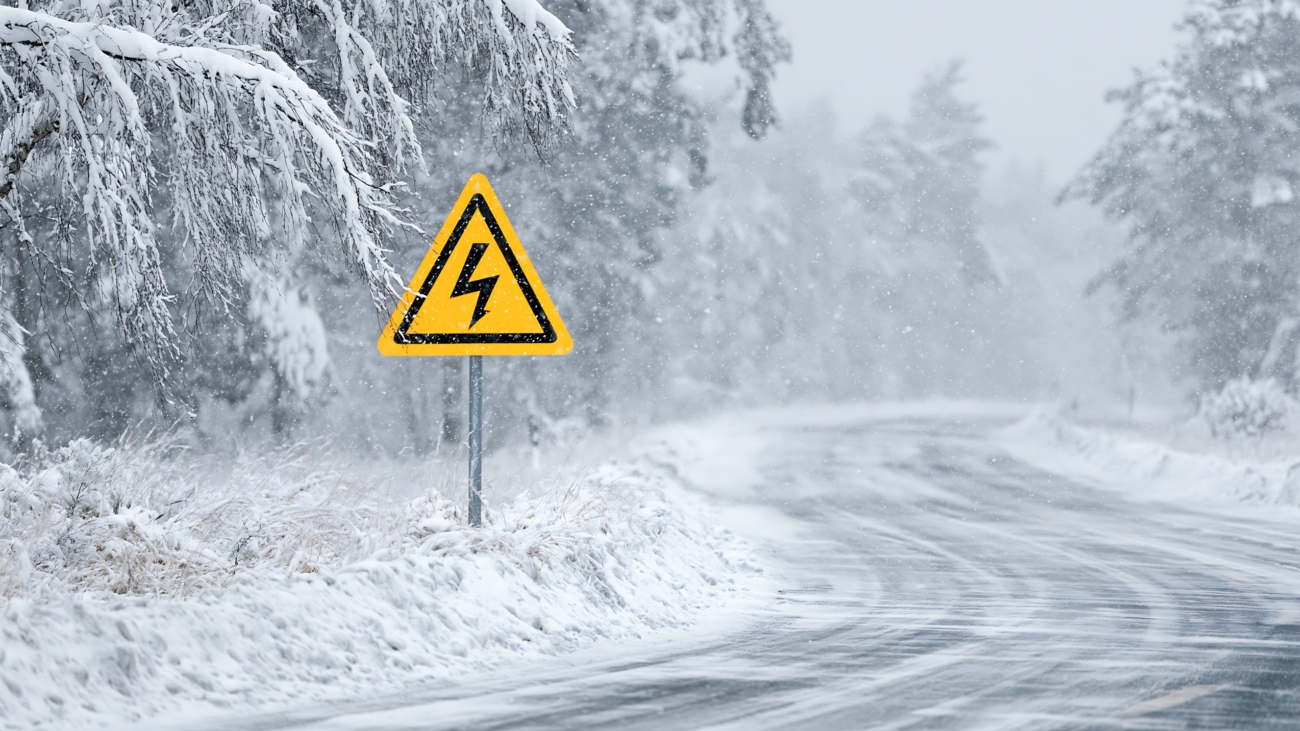
Weather alerts are flashing coast-to-coast. With heavy snowfall, plummeting temperatures, and “black ice” on the horizon, the margin for error on the road has disappeared. If you haven’t winterized your vehicle yet, today is your deadline.

1. The “Big Three” Winter Checks

Before the first flake falls, verify these three critical components:

The Battery: Cold weather is the #1 battery killer. If your battery is over three years old, it may lack the “Cold Cranking Amps” needed to start in freezing temps.

Tires & Pressure: Cold air causes tire pressure to drop. Ensure you have adequate tread depth and correct PSI to maintain grip on slick surfaces.

Visibility: Replace streaking wiper blades and top off your winter-grade fluid. If you can’t see, you can’t drive.

2. Pack Your “Dig-Out” & Survival Kits

Don’t leave your safety to chance. If you get stuck, you need more than just a cell phone.

For the Car: A small shovel, ice scraper, jumper cables, and traction aids (like sand or cat litter).

For You: Heavy blankets, extra gloves, a flashlight with fresh batteries, water, and non-perishable snacks.

3. Master the Ice

When the roads get treacherous, remember the golden rule: Smooth is safe. Avoid sudden braking or sharp turns. If you start to slide, take your foot off the gas and steer in the direction you want to go. Increase your following distance to at least 8–10 seconds—stopping on ice takes significantly longer than on dry pavement.

5 Ways to Handle Driving on Black Ice

As 2026 starts with a great storm across the US, it is transforming highways into literal skating rinks, the usual winter driving advice just isn’t cutting it. With record-breaking sub-zero temperatures following that flash-freeze rain on this week, “black ice” has become the primary antagonist for commuters from Boston to DC.

If you’re forced to head out into the aftermath of the 2026 storm, here is how you stay on the road when the pavement turns into glass.

1. Stop the Momentum

The second you feel that sickening “floaty” sensation of a skid, your instinct is to slam the brakes or floor it to “grip” the road. Don’t. Immediately lift your foot off the accelerator. If you can manage it, shifting into neutral helps disconnect the engine’s power from the wheels, allowing the tires to find their own rhythm and eventually regain friction without the engine forcing them to spin.

2. The Steering Paradox

The golden rule is to “steer into the skid,” but people often misunderstand this. Look at where your car is actually traveling—not where your headlights are pointing. If the rear of your car is swinging toward the right shoulder, nudge your steering wheel to the right. The trick is subtlety; aggressive overcorrection during these 2026 freeze events has been the leading cause of multi-car pileups. Small, deliberate movements are your best friend.

3. Modern Tech vs. Old School Braking

Know your hardware before you shift into Drive:

With ABS: If your car is a modern model, hold a steady, firm pressure on the brake. Let the computer do the “pumping” for you. It will feel like a vibration under your foot; that means it’s working.

Without ABS: If you’re rocking an older vehicle, you have to be the computer. Use a rhythmic “tap and release” motion. You aren’t trying to stop the car instantly; you’re trying to stop the slide so you can steer again.

4. Expect the Invisible

This week’s weather reports show that while main arteries look “clear,” the combination of extreme cold and residual moisture has created a “perfect” layer of transparent ice. Bridges and overpasses are currently the most dangerous spots because they freeze from both top and bottom. Approach shaded areas with the assumption that they are slick, even if they look like dry asphalt.

5. Mindset is Everything

The 2026 storm has been stressful, but panic is what turns a minor slip into a total loss. Keep your breathing steady and your eyes focused on where you want to go, not what you’re afraid of hitting. Buckle up, increase your following distance to three times what you think you need, and remember: getting there late is always better than not getting there at all.

Winter’s Over. Is Your Car Ready for What Comes Next?

Vehicle Maintenance Guide

Cold starts, potholes, road salt — your vehicle took a beating this season. Here’s how to bring it back to fighting shape and keep it there all summer long.

Safety-Critical Checks

⚠ Critical Safety

Brakes

Your brakes are the single most important safety system on your vehicle — don’t skip this one. Winter driving puts extra strain on rotors, pads, and calipers.

Squeaking or grinding when you stop
Vibration felt through the pedal
Noticeably longer stopping distances
Brake pedal that feels soft or spongy

⚠ Critical Safety

Battery

Cold weather is brutal on batteries — it can reduce a battery’s capacity by up to 35%. If your car has been slow to start, or your battery is 3+ years old, get it tested now before warmer temps mask a weak cell. Many auto parts stores offer free battery testing – take only a few minutes to have your battery checked out.

Slow or sluggish engine cranking
Battery warning light
Corrosion visible on terminals
Battery older than 3–5 years
● High Priority

Tires

Potholes and temperature swings take a real toll. Tires in poor condition affect everything — fuel economy, handling, braking, and blowout risk.

Check tread depth (penny test: replace if Lincoln’s head is visible)
Inflate to door-sticker spec — pressure drops with cold then fluctuates in heat
Look for sidewall cracking or bubbles
Schedule a rotation to even out wear

● High Priority

Wipers & Visibility

Spring means rain. Winter wiper blades work hard scraping ice and snow, and they crack and streak faster than you’d think. Visibility isn’t a “nice to have.”

Replace blades if they streak, skip, or squeak
Top off windshield washer fluid
Clean the wiper edge with a microfiber cloth if blades look intact
Check all lights — headlights, brake lights, turn signals

Under the Hood

● High Priority

Oil & Engine Fluids

If it’s been a while, start here. Fresh oil protects your engine against wear and runs cleaner. Check all fluids — top them off and watch for leaks.

Engine oil (check color and level)
Coolant / antifreeze
Brake fluid
Power steering fluid
Transmission fluid

✓ Routine

Air Filter

A clogged air filter makes your engine work harder, hurts fuel economy, and can reduce performance. Easy to check, inexpensive to replace.

Replace engine air filter if visibly dirty or per manufacturer interval
Don’t forget the cabin air filter — it affects your A/C airflow and air quality inside

✓ Routine

Belts & Hoses

Extreme cold can cause belts to crack and hoses to become brittle. A failed belt can leave you stranded; a burst hose can overheat your engine fast.

Inspect belts for fraying or cracking along the edges
Squeeze hoses when cold — none should feel hard or brittle
Look for leaks around fittings

Exterior & Ride Quality

● High Priority

Alignment & Suspension

Potholes and frost heaves are alignment’s worst enemies. Driving on a misaligned car eats tires fast and wears out suspension parts prematurely.

Vehicle pulling to one side while driving straight
Steering wheel off-center on a straight road
Uneven or rapid tire wear
Excessive bouncing or swaying
✓ Routine

Wash, Wax & Undercarriage

Road salt is corrosive. Left to sit, it eats through paint, metal, and undercarriage components. A thorough spring wash — especially underneath — protects your vehicle’s long-term value.

Wash undercarriage, wheel wells, and rocker panels
Use salt-removing car wash soap
Apply a coat of wax as a UV and environmental barrier


Your Spring Checklist at a Glance

Run through these before the summer heat arrives and you’ll be in great shape — and far less likely to see a roadside breakdown.

Oil change & fluid check

Brake inspection

Battery test

Tire pressure & tread

Tire rotation

Wiper blade replacement

Belts & hoses inspection

Air filter check
Wheel alignment check

Suspension inspection

All lights working

Thorough wash & wax


What to Look For When Buying New Tires – Many Tips

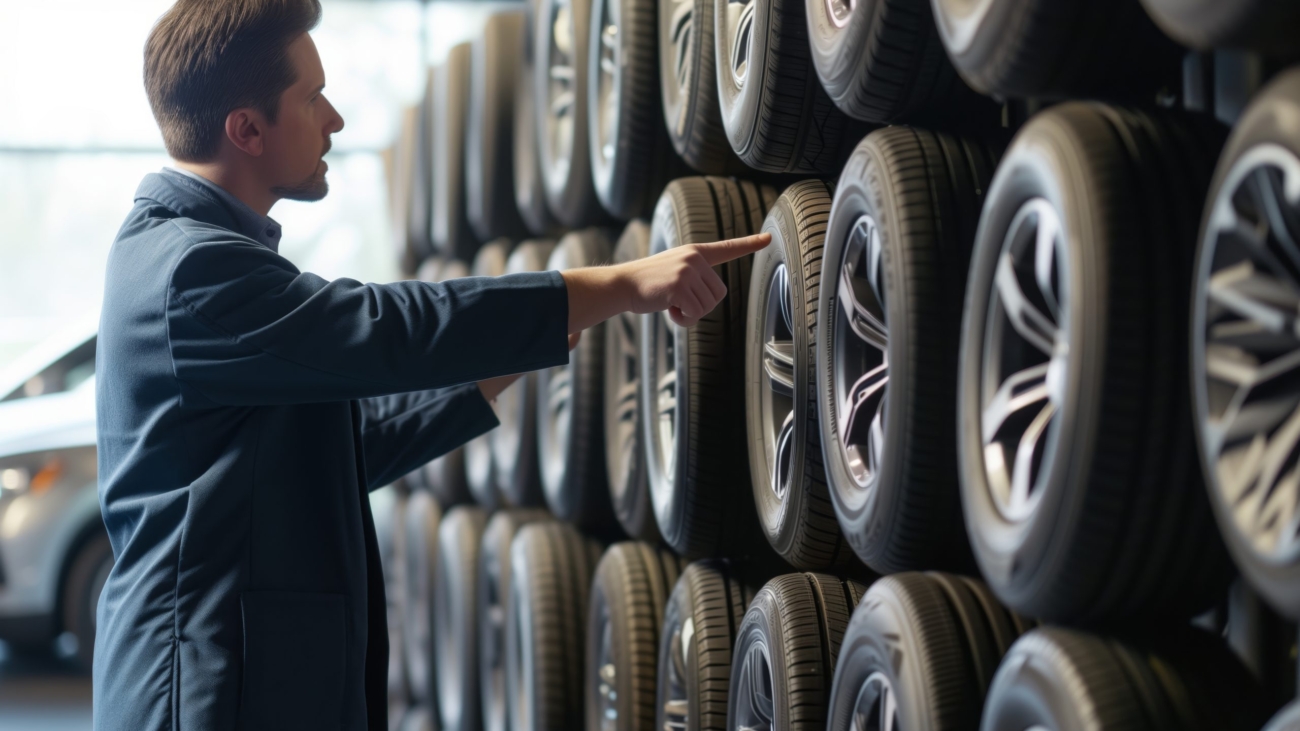
Buying new tires should be a simple task: roll into your shop of choice, let the experts do their work, and drive away with confidence. Unfortunately, it doesn’t always go that smoothly. There are some cases of tire shops installing the wrong type of tire for a specific vehicle. The lesson? Don’t leave all the decision-making to the professionals. Educate yourself instead.

Here are the essential factors you should consider when purchasing new tires.

1. The Tread Wear Indicator

Knowing when to replace your tires is the first step. Tires are replaced for many reasons, including preparing for winter or retiring a tire whose structural integrity has been compromised by age. However, the most common reason is simple wear.

In most states, tires are legally considered unsafe when they are worn down to 2/32” of remaining tread. One of the easiest ways to check this is to inspect the tread wear indicator bars molded into the tire’s grooves. When these bars become flush with the surrounding tread, the tire has reached its limit and must be replaced immediately.

2. Understanding Tire Size

Installing the wrong tire size can be both damaging to your vehicle and dangerous. Tires that are too tall can rub against the struts or wheel wells, while tires that are too small can create stability and handling issues.

Always check the tire size specified in your owner’s manual or on the placard inside the driver-side door jam. While there is occasionally a small amount of “wiggle room” for going slightly wider or taller, you should never deviate from manufacturer recommendations without expert consultation. Additionally, never mix different tire sizes or brands on the same axle.

3. Consider Your Driving Habits

Not all tires are created equal. High-performance cars often require tires with specific speed ratings. These are manufactured with more “flex” in the sidewall to provide better grip and heat dissipation.

Check your manual for the recommended speed rating, but also consider your environment. If you live in an area with heavy rain or snow, look for “All-Season” or dedicated “Winter” tires. If you primarily drive on highways in a dry climate, a “Grand Touring” tire might provide a quieter, more comfortable ride.

4. Tire Warranty and Road Hazard Protection

The warranty can directly impact your long-term costs. Tires typically come with a tread-life warranty ranging from 30,000 to 100,000 miles. Keep in mind that high-performance tires wear out faster and may offer shorter warranties (or none at all).

Beyond the manufacturer’s warranty, many shops offer Road Hazard Protection. This covers you in the event of a blowout or an unrepairable flat caused by potholes or debris. Before you buy, ensure you understand what the shop’s protection plan covers.

Additional Tips for the Savvy Buyer

Check the “Birth Date”: Tires have a four-digit DOT code on the sidewall representing the week and year they were made (e.g., “1224” means the 12th week of 2024). Rubber degrades over time, even if it isn’t being used. Avoid buying “new” tires that have been sitting on a shelf for more than two or three years.
The Spare Tire: When replacing a full set, check the condition and age of your spare. If it’s over six years old, it may be time to replace it as well, even if it has never touched the ground.
Alignment and Balancing: Always insist on a wheel alignment when buying a new set of tires. If your alignment is off, your brand-new tires will wear unevenly and wear out significantly faster.
Fuel Efficiency (Rolling Resistance): Some tires are designed to be “Low Rolling Resistance.” These can actually improve your gas mileage by reducing the energy lost as heat when the tire rolls.


Why Is My Range Rover Losing Coolant? Causes & Fixes

If your Range Rover is losing coolant, it’s important to address the issue quickly. Coolant plays a critical role in regulating your engine’s temperature, and a steady loss can quickly escalate into overheating, warped components, or expensive engine repairs — a risk that’s amplified in the UAE’s extreme summer heat, where engines already work harder to stay cool.

If you notice your Range Rover losing coolant repeatedly, don’t simply keep topping up the coolant reservoir. Recurring coolant loss usually indicates an underlying problem, such as a leaking hose, damaged radiator, failing water pump, cracked expansion tank, or, in serious cases, a head gasket problem.

Common Reasons Your Range Rover Is Losing Coolant

There are several reasons why a Range Rover may be losing coolant. Some problems are relatively simple to repair, while others can lead to serious engine damage if they aren’t diagnosed quickly.

🌡️ Coolant Hose Leaks

Range Rover cooling systems rely on several rubber hoses to circulate coolant between the engine, radiator, and expansion tank. Summer heat accelerates rubber degradation, making hoses prone to cracking, softening, or splitting at the joints — often faster than in more temperate climates.

A damaged hose can cause a slow coolant leak that may initially be difficult to notice. As the leak becomes worse, the coolant level can continue to drop and eventually result in engine overheating.

What to do: Have hoses visually inspected every service interval. Replace any hose showing swelling, brittleness, or visible cracking before it fails on the road.

🔧 Faulty Water Pump

The water pump keeps coolant circulating through the engine block. When its seal wears out or the bearing fails, coolant can leak internally or externally, and cooling performance drops sharply.

A failing water pump is another possible reason your Range Rover is losing coolant, particularly if you notice other cooling-system symptoms at the same time.

Warning signs: Engine temperature gauge creeping up, coolant puddles under the car, a whining or grinding noise from the front of the engine.

🚘 Radiator Leaks

Radiators are exposed to road debris, corrosion, and constant thermal cycling. Over time, seams can weaken and fins can corrode, leading to gradual — sometimes hard-to-spot — coolant loss.

If your Range Rover coolant level keeps dropping but there is no obvious hose leak, the radiator should be inspected for cracks, damaged seams, or other signs of coolant leakage.

What to do: Check for coolant stains or a sweet smell near the front of the vehicle, and book a radiator inspection if the coolant level drops without any visible leak elsewhere.

⚠️ Expansion Tank Cracks

The plastic expansion tank absorbs pressure changes as coolant heats and cools. Repeated heat cycling in the UAE climate can make the plastic brittle, leading to hairline cracks that seep coolant slowly.

A cracked expansion tank can therefore be a common reason for gradual coolant loss. You may notice that the coolant warning appears repeatedly even after topping up the system.

Warning signs: Recurring low coolant warnings despite topping up, coolant residue around the tank’s seams or cap.

🛠️ Head Gasket Problems

A failing head gasket is one of the more serious causes of coolant loss, since it can allow coolant into the combustion chamber rather than leaking externally. This is often accompanied by other symptoms and should be diagnosed quickly to avoid engine damage.

If your Range Rover is losing coolant with no visible external leak, a technician may need to investigate whether an internal coolant leak or head gasket problem is responsible.

Warning signs: White exhaust smoke, engine overheating, continuous coolant loss with no visible external leak.

Why You Shouldn’t Ignore Coolant Loss

Small coolant leaks rarely stay small. Left unaddressed, they can lead to:
● Engine overheating
● Cooling system failure
● Costly repairs to the engine block or head gasket
● Unexpected breakdowns, often at the worst possible time — mid-commute in traffic

Regular car maintenance checks can catch these issues while they’re still minor, low-cost fixes.

If your Range Rover is losing coolant, continuing to drive without identifying the cause can allow a relatively minor leak to develop into a major cooling-system or engine problem.

How to Prevent Coolant Problems

Preventive maintenance can help identify cooling-system problems before they become serious. If your Range Rover regularly operates in hot climate, keeping an eye on the coolant level is particularly important.

● Check coolant levels at least once a month, more often in peak summer
● Inspect hoses, the radiator, and the expansion tank during every service visit
● Service the cooling system on schedule, not just when a warning light appears
● Address dashboard warning lights immediately rather than waiting for the next scheduled service
● Consider an Annual Maintenance Contract (AMC) so cooling system checks are built into your regular servicing schedule

The Click of Death: When to Replace Your Car Battery Before It Strands You

Important: You’re driving on borrowed time if your car battery is 3-4 years or older.

Let’s face it – nobody thinks about their car battery until they hear that terrifying “click… click… click” when you try to start your car. It’s always at the worst time — a bitter cold morning, late for a meeting, or stranded in a parking lot miles from home. Even worse when it’s your child driving the vehicle.

One of our customers recently waved goodbye to a battery that gave them a stellar run from 2018 until now (2025). That’s a win! But most people aren’t so lucky. The truth is, once your car battery hits the four-year mark, it’s time to stop coasting and start monitoring. The average battery is only built to last about three to five years, and those last few months are always the riskiest.

The Hidden Killer: It’s Not the Cold, It’s the Heat

We always blame winter for killing our batteries, but that’s only half the story. Extreme summer heat is the real internal killer. High temperatures accelerate corrosion within the battery cells. The cold weather doesn’t kill the battery—it simply reveals the internal damage that was already done back in July.

That drop in temperature reduces the available power the battery can deliver, and suddenly, that weak cell that was limping along all autumn can’t handle the initial shock of starting the engine. If your battery is three years old, get it on your radar now.

Reading the Tea Leaves: Six Subtle Warnings

You don’t need to wait for total silence to know it’s time for a replacement. Your car gives you plenty of subtle clues. Listen and look for these signals:

The Dragging Start: This is the most critical sign. If the engine sounds tired, like it’s taking an extra second or two to turn over, the battery is struggling to deliver the necessary amps. Don’t ignore the slow crank!
The Fading Light Show: Notice your headlights or interior dome light dimming significantly while the car is idling? That’s a classic indicator that the battery can’t maintain voltage under a small load.
The Smell Test: If you pop the hood and catch a whiff of rotten eggs or sulfur, pull over immediately. That smell is usually an electrolyte leak or overheating—a serious and dangerous issue.
Terminal Tarnish: See that white or blue fluffy, powdery gunk built up around the positive and negative posts? That corrosion impedes the current flow, choking the battery’s ability to charge and discharge.
Frequent Jumps: Have you needed a jump start more than once in the last month? You’re not being forgetful; your battery just isn’t holding a charge anymore. You are simply postponing the inevitable.
Physical Deformity: Take a quick look at the battery casing itself. Does it look swollen, bloated, or warped? That’s heat damage, and that battery is ready for retirement.

Ditch the Guesswork: Get a Load Test

A simple voltage reading—12.6 volts—only tells you that the battery is charged. It doesn’t tell you how well it can handle a demand.

That’s where the Load Test comes in. This is the gold standard for battery diagnostics. A mechanic or the folks at your local auto parts store can do this for you in minutes, often for free. The machine simulates the massive draw required to crank the engine, giving you a true picture of the battery’s health.

The key number to remember is around 9.6 volts. If the battery voltage drops below that threshold during the test, it’s considered weak and absolutely should be replaced before the temperature plummets.

Choose Control Over Crisis

We spend hundreds of dollars on things we don’t need every year. Replacing a battery that is showing its age is one of the cheapest forms of insurance you can buy.

Don’t wait for the click of death to force your hand. Check your records, check the label, and if your battery is approaching its fifth birthday, grab that free load test today. Peace of mind is priceless, especially when the snow starts falling.