
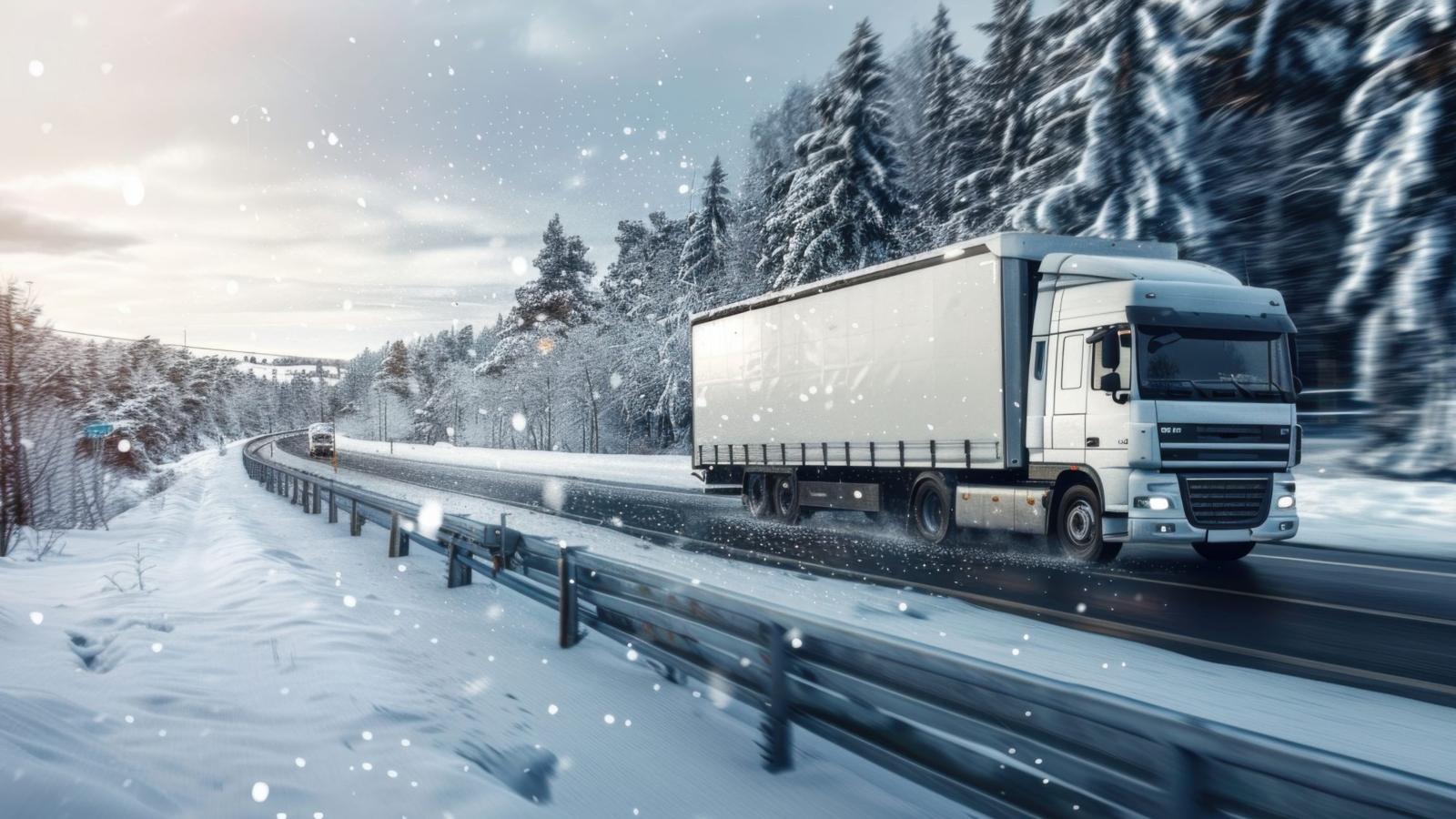
Winter brings a different set of challenges to commercial transportation. Snow-covered highways, icy pavement, freezing temperatures and limited visibility can make even familiar routes unpredictable. For tractor-trailer drivers, these conditions demand additional stopping distance, greater maneuvering space and a more cautious approach behind the wheel.
While winter weather cannot be controlled, the risks associated with it can be managed. Proper vehicle preparation, thoughtful route planning and weather-conscious driving practices can help fleet operators protect their drivers, vehicles and daily operations throughout the colder months.
Start With a Winter-Ready Vehicle
Safe winter travel begins long before a truck reaches the highway. A thorough pre-trip inspection helps identify potential equipment issues and ensures vehicles are prepared for changing road and weather conditions.
Fleet managers and drivers should prioritize several essential steps:
- Check critical vehicle systems. Inspect tire tread and pressure, brakes, batteries, lighting, windshield wipers, defrosters and fluid levels. Air lines and air brake systems should also be checked for moisture and maintained according to established procedures.
- Prepare equipment for freezing temperatures. Follow manufacturer guidance on winter diesel fuel and appropriate additives. Keep suitable tire chains available when required and ensure drivers understand how to install and use them safely.
- Remove snow and ice buildup. Clear the tractor and trailer thoroughly, including roof surfaces. Windows, mirrors, lights and reflectors should remain unobstructed to maintain visibility and prevent hazards for surrounding motorists.
- Plan routes with weather in mind. Review weather forecasts, road restrictions, closures, chain requirements and available truck parking before departure. Build additional travel time into schedules and communicate possible delays with dispatch.
- Carry essential emergency supplies. Equip vehicles with warm clothing, blankets, food, drinking water, a flashlight, a charged mobile phone and charger, along with the required roadside warning equipment.
A consistent preparation routine can help identify problems early and reduce the likelihood of unexpected disruptions during winter operations.
Adapt Driving Habits to Winter Conditions
Even a well-maintained commercial vehicle can become difficult to control when road surfaces lose traction. Snow, ice and freezing rain require drivers to adjust their speed, spacing and handling techniques rather than rely on normal driving routines.
Several practices can make a meaningful difference:
- Slow down and create more space. Reduce speed as road conditions deteriorate and increase following distance significantly. Account for vehicle weight, load, speed and stopping distance. Approach curves, highway ramps and downhill sections at a controlled speed.
- Keep every movement controlled. Accelerate, brake and steer gradually to avoid sudden changes that could cause a loss of traction. Avoid cruise control on slippery roads, and refrain from using engine brakes or retarders when traction is poor.
- Recognize less obvious road hazards. Bridges, overpasses and shaded stretches can freeze before other road surfaces. Blowing snow may conceal lane markings, while strong crosswinds can create additional instability, especially for empty or lightly loaded trailers.
- Maintain visibility and awareness. Use headlights when visibility is reduced, keep mirrors clear and check blind spots before changing lanes or maneuvering. Maintain a safe distance from snowplows, minimize distractions and never continue driving when fatigue affects alertness.
The goal is not simply to keep moving, but to maintain enough control and flexibility to respond safely when conditions change.
Recognize When It's Safer to Stop
Winter driving sometimes calls for a decision that goes beyond adjusting speed or changing routes. When road conditions become too dangerous, postponing a delivery is always preferable to exposing drivers and equipment to unnecessary risks.
Fleet managers should encourage open communication and give drivers the authority to report worsening conditions and suspend travel when necessary.
If visibility becomes severely limited or road traction is no longer safe, drivers should reach a designated parking area as soon as conditions allow and inform dispatch. Stopping on the shoulder should be avoided unless an emergency leaves no safer alternative.
Clear communication between drivers, dispatch teams and fleet managers is particularly important during severe weather. Monitoring conditions and making timely adjustments can help prevent avoidable incidents while keeping operations organized.
Make Winter Safety Part of Fleet Management
Effective winter driving safety goes beyond seasonal vehicle inspections. It requires consistent preparation, informed decision-making and a workplace culture where safety takes priority over delivery schedules.
By combining preventive maintenance, realistic route planning and responsible driving practices, commercial fleets can better navigate winter challenges and reduce exposure to weather-related accidents.