
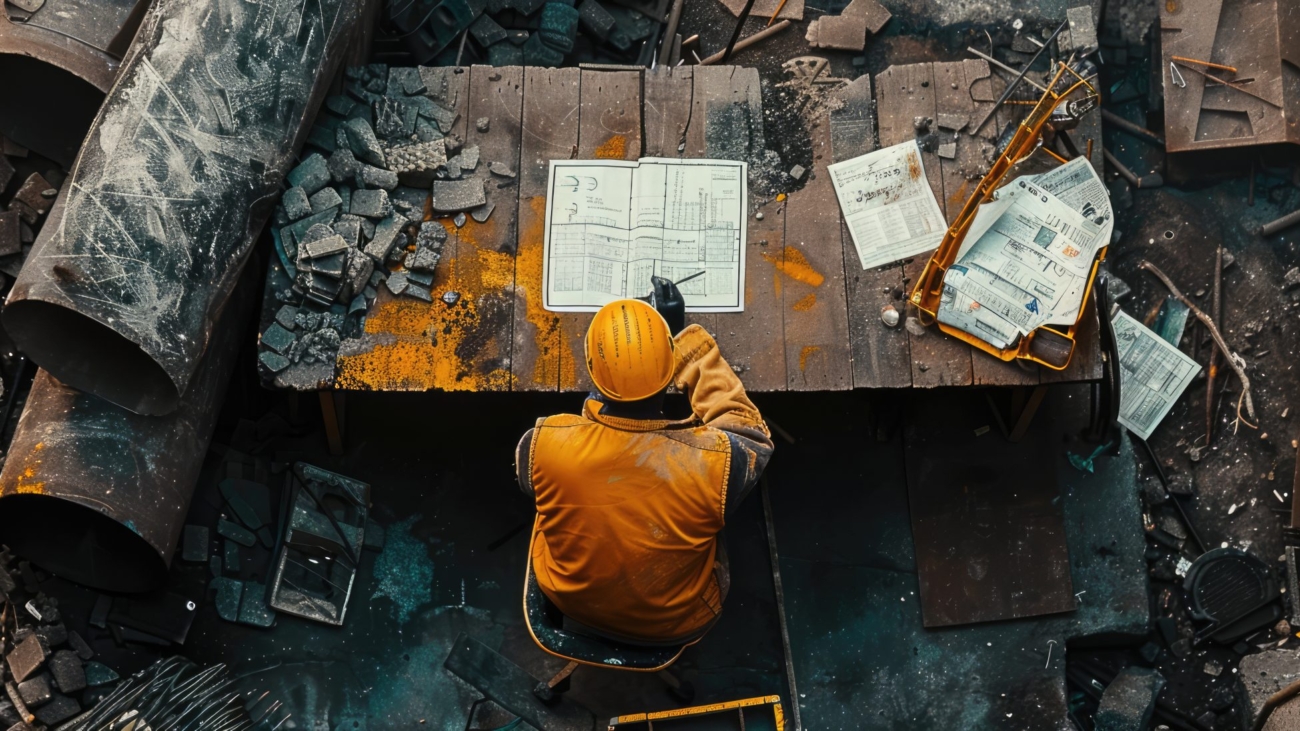
A tool slipping from a scaffold, unsecured materials falling from a rooftop or equipment being knocked off an elevated platform can have serious consequences. Falling objects are a significant workplace hazard, particularly in construction, maintenance and other industries where employees regularly work at different heights.
Even relatively small objects can cause severe injuries when dropped from above. Preventing these incidents requires more than careful handling; it involves proper equipment, organized workspaces, clear communication and awareness of surrounding activities. Establishing consistent safety practices can help protect workers on elevated surfaces as well as those working below.
Practical Ways to Prevent Falling-Object Incidents
Reducing the risk of dropped objects starts with identifying potential hazards and making sure tools, equipment and materials remain secure throughout every stage of a task.
The following precautions can help create a safer working environment:
- Keep tools properly secured. Use appropriate tool lanyards, tethers, anchors and other approved attachment systems whenever working at height. Make sure equipment is compatible with the tools being used.
- Maintain a safe distance from edges. Position tools and materials away from the edges of scaffolds, roofs, platforms and other elevated surfaces. Store items where they cannot easily slide, roll or be knocked over.
- Move suitable tasks to ground level. Whenever practical, complete assembly, preparation and other work on the ground. Reducing the amount of overhead activity helps eliminate unnecessary exposure.
- Bring only what the job requires. Follow the principle of taking only essential tools and materials to elevated work areas. Unnecessary equipment creates additional opportunities for items to become misplaced or fall.
- Keep workspaces organized. Remove loose materials, scrap, debris and unused equipment regularly. A clean work area reduces the likelihood of objects becoming unexpected hazards.
- Secure openings and exposed edges. Ensure that materials and equipment cannot fall through floor openings, gaps or other unprotected areas. Use appropriate protective measures wherever required.
- Stay aware of overhead activities. Pay attention to nearby crews working at higher elevations and recognize situations where their activities could create falling-object risks.
- Wear appropriate head protection. Use hard hats and other required protective equipment in designated areas where falling objects may be present.
- Inspect tools and safety attachments. Check equipment, lanyards, tethers, connection points and storage bags for damage or wear before each use. Replace defective components rather than relying on compromised equipment.
- Secure materials before handling or transport. Make sure tools, supplies and other loads are properly contained before lifting, lowering or moving them between work areas.
- Respect platform load limits. Never exceed the rated capacity of elevated work platforms. Excessive weight can compromise stability and increase the risk of equipment failure.
- Maintain clear communication. Notify workers below before beginning overhead activities. If an object falls, provide an immediate verbal warning so nearby individuals have an opportunity to react.
- Coordinate overlapping activities. When multiple crews are working at different heights, communicate schedules and establish appropriate precautions to prevent one team’s work from exposing another to unnecessary risks.
- Report dropped objects and near misses. Even when nobody is injured, every incident should be reported. Reviewing what happened helps identify underlying problems and prevent similar situations in the future.
Common Mistakes That Increase Workplace Risks
Knowing which safety practices to follow is important, but recognizing unsafe behaviors is equally essential. Small oversights can quickly create dangerous conditions, especially in busy environments where several activities take place simultaneously.
Workers should avoid the following:
- Leaving tools, equipment or materials unsecured near elevated edges.
- Throwing tools, supplies or other objects from elevated locations instead of using approved transfer methods.
- Working or walking directly beneath overhead activities whenever alternative arrangements are possible.
- Entering restricted areas, barricaded zones or designated falling-object exclusion areas.
- Underestimating the potential impact of small objects falling from significant heights.
- Using damaged tethers, tool lanyards, attachment points or equipment bags.
- Creating improvised securing systems instead of using approved equipment.
- Leaving loose materials unattended, even when stepping away from the work area temporarily.
- Overlooking falling-object hazards simply because a task is expected to take only a few minutes.
- Continuing overhead work when changing conditions, including strong winds or equipment vibrations, make materials difficult to control or secure.
Recognizing these behaviors and addressing them promptly can help prevent minor safety oversights from developing into serious workplace incidents.
Make Falling-Object Prevention a Daily Priority
Workplace safety depends on consistent attention to the details that are often easiest to overlook. Proper tool storage, secure materials, routine equipment inspections and effective communication all contribute to reducing falling-object hazards.
Employers and supervisors should reinforce these practices through regular safety discussions, employee training and routine worksite inspections. Workers, in turn, should remain alert to changing conditions and report potential hazards before they result in injuries.
A proactive approach helps create safer elevated work areas, protects everyone on the jobsite and supports a stronger culture of workplace safety.